Dry Air, Static and Fine Dust in Front Range Homes
Why homes along Colorado's Front Range get so dusty, how dry air and static play a part, and what you can do about it, from filters to duct cleaning.
If you moved to the Front Range from somewhere humid, the dust probably surprised you. You wipe the TV stand on Sunday and there is a fresh gray film by Wednesday. Door handles zap you all winter. The baseboards always seem to need another pass.
You are not imagining it. A semi-arid climate, a lot of wind and long heating seasons combine to make dust a bigger part of daily life here than in many other parts of the country. This post walks through why that happens and which fixes are worth your time.
Where the dust comes from
Household dust is a mix of things. Some is generated inside: skin flakes, clothing and carpet fibers, pet dander, cooking residue and lint. The rest comes from outside, and along the Front Range there is plenty of it.
- Wind. Spring and fall can bring strong, gusty wind, and downslope winds off the foothills can be especially dry. Wind carries fine soil and grit from open land, ballfields, unpaved lots and construction sites.
- Construction. Much of the north metro around Thornton is still growing. New subdivisions, road projects and graded lots put loose dirt in the air on windy days.
- Pollen. Trees in spring, grasses in early summer and weeds in late summer and fall all add particles that settle on surfaces.
- Smoke. In some summers, wildfire smoke drifts in from the mountains or from fires farther away.
Fine particles slip in around doors, windows, attic hatches and any gap in the building shell. Once inside, your HVAC system moves them around.
What dry air has to do with it
Low humidity changes how dust behaves. In damp air, particles tend to clump and settle. In dry air, the finest particles stay airborne longer and spread farther before they land.
Dry air also makes static electricity much more common. You feel it as a shock from a doorknob, but the same static charge builds on plastic surfaces, screens and synthetic fabrics. Charged surfaces tend to attract and hold fine dust, which is why your TV and computer screen look dusty again so soon after you wipe them.
Some homeowners run a humidifier in winter for comfort. If you do, follow the manufacturer's cleaning instructions closely, keep indoor humidity moderate and watch for condensation on windows. Too much moisture creates a different set of problems, and whole-house humidifiers attached to the furnace should be maintained by an HVAC contractor.
What your HVAC system does with dust
Every time the blower runs, it pulls air through the return grilles, past the filter, through the furnace or air handler and back out through the supply ducts. In a Colorado winter, that can mean the system runs for long stretches each day.
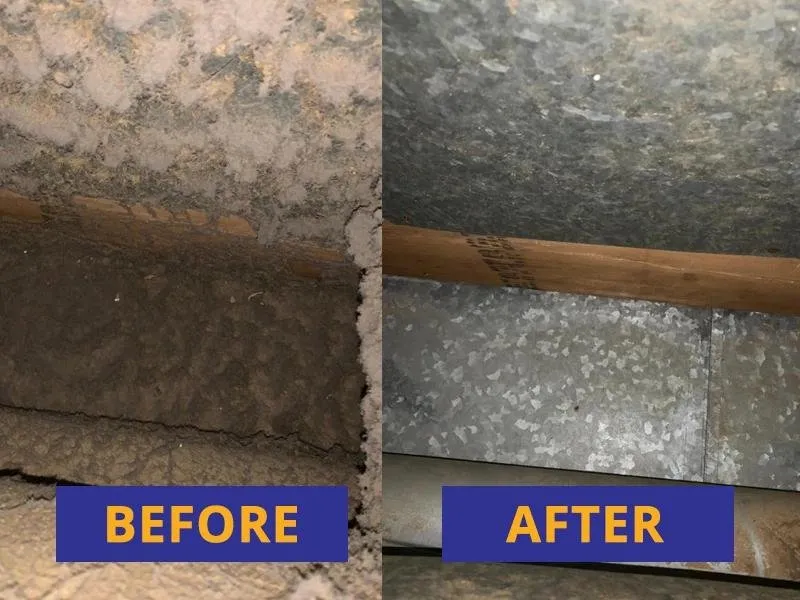
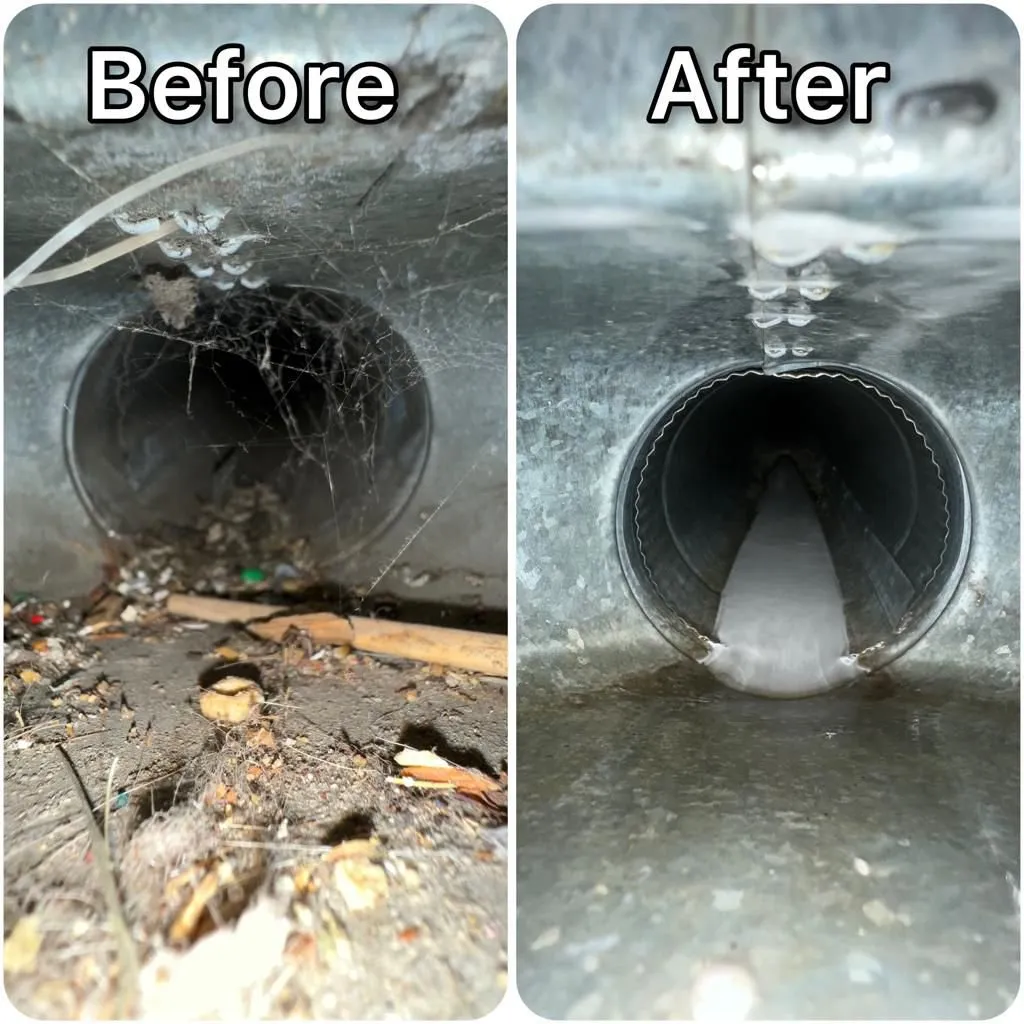
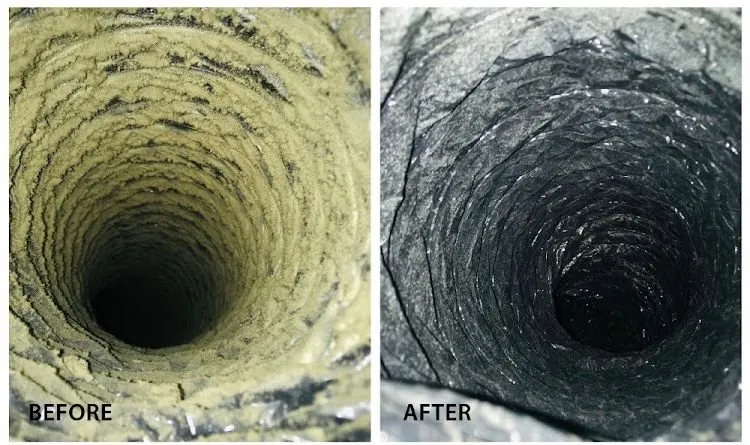
A good filter catches much of the dust on each pass. But filters are not perfect, especially if they are low-rated, sized wrong or left in too long. Some dust ends up settling along the inside of the return ducts, at elbows and on the blower. Over years, that layer can get thick.
When the ducts themselves are heavily coated, some of that buildup can come loose and blow out of the registers. That is one of the situations where the EPA says duct cleaning is worth considering.
Practical steps that help
Start with the things that cost the least:
- Upgrade and change the filter. Use the highest-rated filter your system can handle without restricting airflow; your HVAC contractor or the furnace manual can tell you the limit. Check it monthly during heating and cooling season.
- Seal the obvious gaps. Weatherstripping on doors, caulk around window trim and a gasket on the attic hatch can cut the amount of outdoor dust that gets in.
- Clean in the right order. Dust high surfaces first, then floors. Use a damp microfiber cloth instead of a dry duster, which mostly just moves dust into the air.
- Use a vacuum with a good filter. A vacuum with a sealed system and HEPA filter keeps more fine dust in the bag or bin instead of blowing it back out.
- Keep returns clear. Vacuum the return grilles every few weeks. They collect a lot of lint and fuzz.
- Mind the entry points. A mat at each door and a shoes-off habit keep a surprising amount of grit off the floors.
These habits will not stop dust entirely in a dry, windy climate, but they make a visible difference.
When to look at the ducts
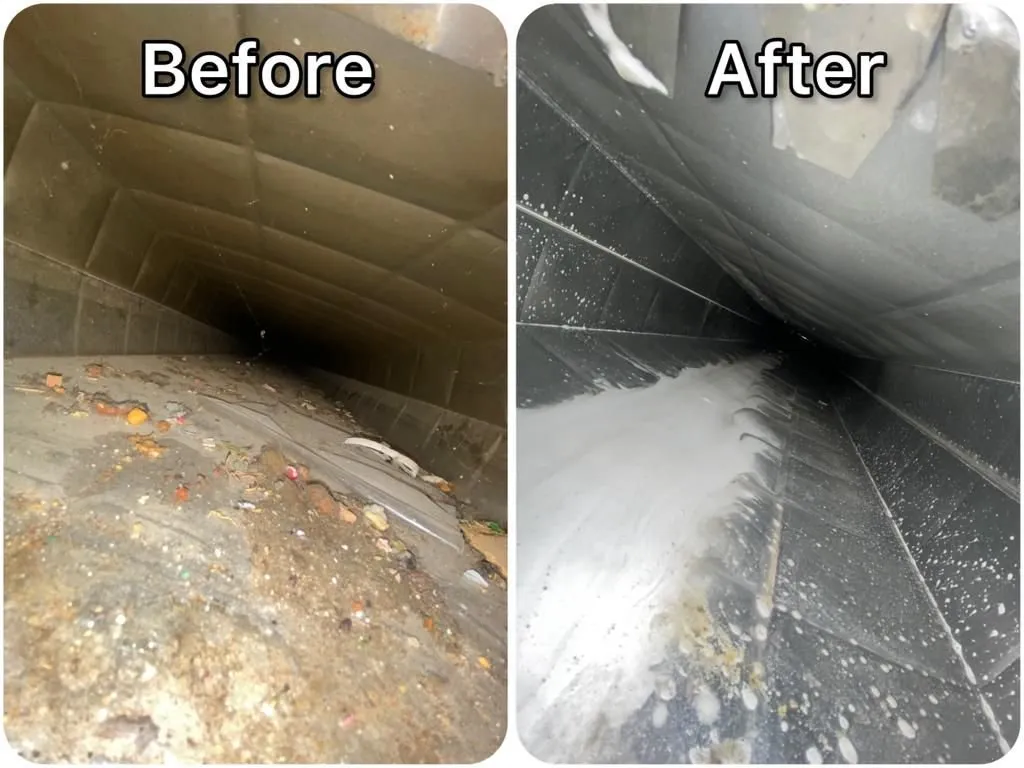
Duct cleaning makes sense when there is a specific reason. Take off a supply register and a return grille and look inside with a flashlight. Consider a cleaning if you see:
- Thick, matted dust or debris, not just a light film.
- Puffs of dust when the system first turns on.
- Debris left over from a remodel or new construction.
- Signs of pests.
A professional cleaning can help remove that built-up dust and debris from the supply and return runs. It will not make your home dust-free, and the EPA notes it has not been shown to prevent health problems. But in a home where the ducts are clearly dirty, it removes one source of the dust that keeps resurfacing.
Better Air Duct Cleaning Thornton offers basic air duct cleaning for $199 for up to 10 vents, with $29 for each additional vent. If only a few rooms seem to blow dust, deep duct cleaning at $59.99 per vent may be enough.
The bottom line
Front Range dust comes from wind, construction, pollen and dry air, and static makes it cling to everything. Filters, sealing and better cleaning habits handle most of it. If you look in your ducts and find heavy buildup, contact Better Air Duct Cleaning Thornton for an estimate in Thornton, CO and nearby areas.