After Wildfire Smoke: Cleaning Up Ducts and Filters
What to do once wildfire smoke clears from your neighborhood: when to swap the HVAC filter, how to clean registers and surfaces, and when to check the ducts.
Wildfire smoke can settle over the Front Range for days at a time, even when the fire itself is hundreds of miles away. Most guidance focuses on what to do while the sky is hazy: stay indoors, close windows, run filtration. Less is said about the week after, when the air clears and you are left wondering what is still sitting in your home.
This post covers the cleanup side: what to do with your furnace filter, how to deal with fine soot on surfaces and when it makes sense to look at the ductwork.
During a smoke event, a quick recap
The EPA's guidance for smoky days is straightforward. Keep windows and doors closed. If your HVAC system can handle it, use a high-efficiency filter, such as a MERV 13, and set the system to recirculate indoor air instead of drawing in outdoor air. A portable air cleaner with a HEPA filter in a bedroom can create a cleaner room to sleep in. Avoid adding indoor pollution by burning candles or frying food.
If anyone in your household has asthma, heart or lung conditions, follow your doctor's advice and check air quality forecasts at AirNow.gov. Smoke is a health issue first, and those decisions belong with a medical professional.
Everything below assumes the smoke has passed and air quality is back to normal.
Step one: replace the HVAC filter
Your furnace or air handler filter did a lot of work during the smoke event. Smoke particles are very small, and a filter that was working hard for several days can load up quickly, even if it does not look as dark as you might expect.
Once air quality improves:
- Replace the filter, even if it is not on schedule.
- If you upgraded to a higher-rated filter for the smoke, watch how the system runs. A dense filter that clogs fast can restrict airflow. Change it more often or go back to the filter your HVAC contractor recommends.
- Replace or clean any portable air cleaner filters according to the manufacturer's directions.
Write down the date. If smoke returns later in the season, you will know how long that filter has been in.
Step two: clean surfaces the right way
Smoke leaves a fine residue on windowsills, blinds, furniture and floors near doors. The goal is to remove it without stirring it back into the air.
- Wipe, don't dust. Use damp microfiber cloths on hard surfaces. Rinse them often.
- Vacuum with a good filter. A vacuum with a HEPA filter keeps more fine particles from blowing back out the exhaust.
- Wash fabrics. Curtains, throw blankets and pillow covers that sat near open windows can be laundered.
- Clean the registers and returns. Remove register covers, wash them in warm soapy water and let them dry. Vacuum the area just inside the opening and the return grilles.
If you notice a lingering smoky smell inside the house after a few days of airing out and cleaning, it may be absorbed into soft materials like carpet and upholstery.
Step three: decide whether the ducts need attention
For most homes, one smoke event does not mean the ductwork needs a professional cleaning. The filter catches much of the smoke, and ducts are not a place where smoke residue usually builds up heavily from a short event.
It is worth taking a closer look if:
- Your home was close to an active fire and ash or soot came inside.
- Windows were open or the system was drawing in outside air during heavy smoke.
- You see dark dust or ash inside the supply registers or return ducts with a flashlight.
- A smoky smell keeps coming from the vents when the system runs, even after surfaces are clean and the filter is new.
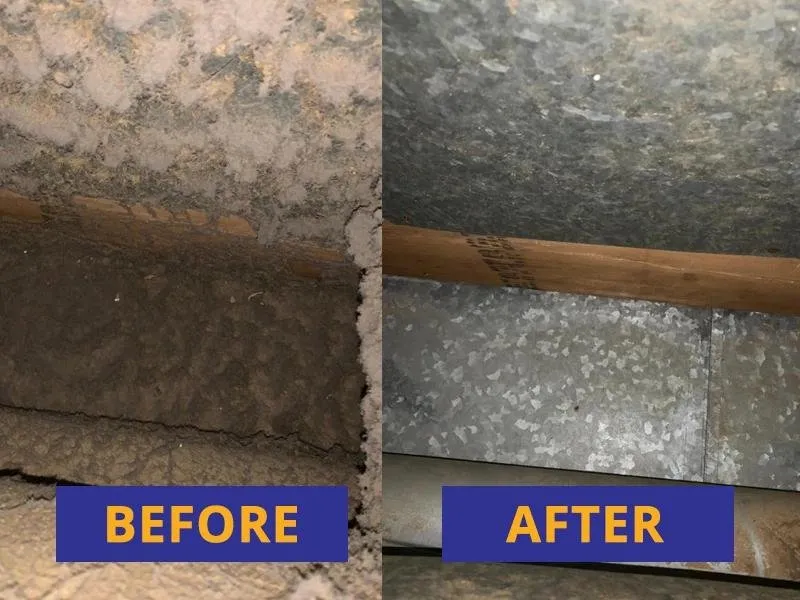
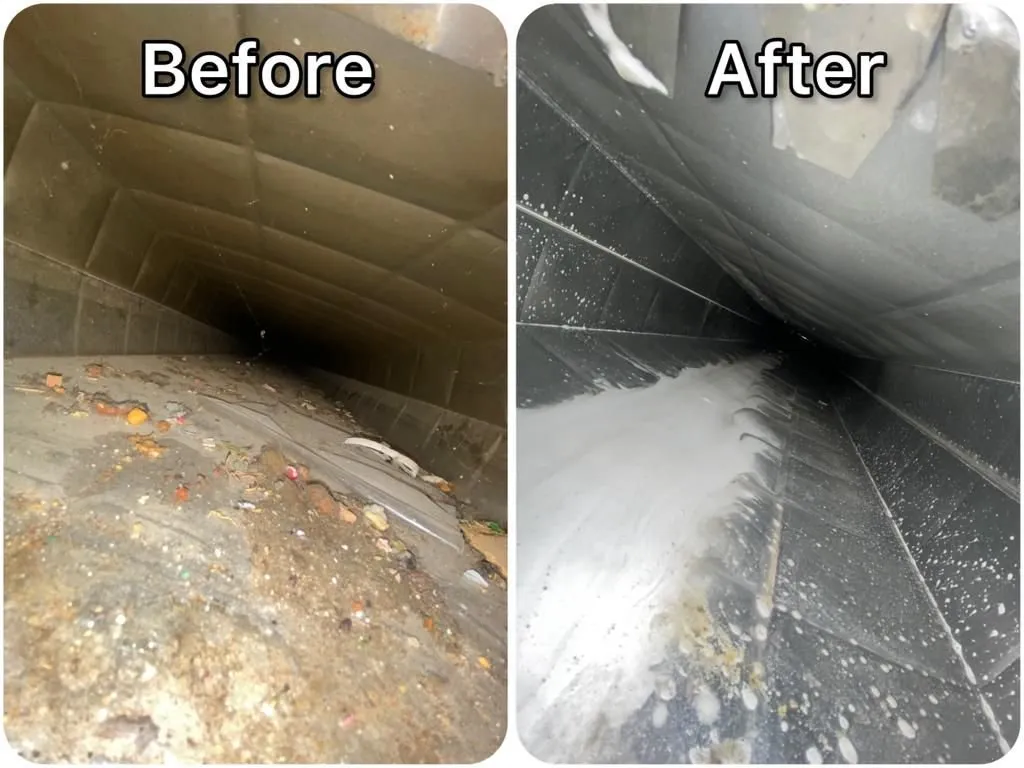
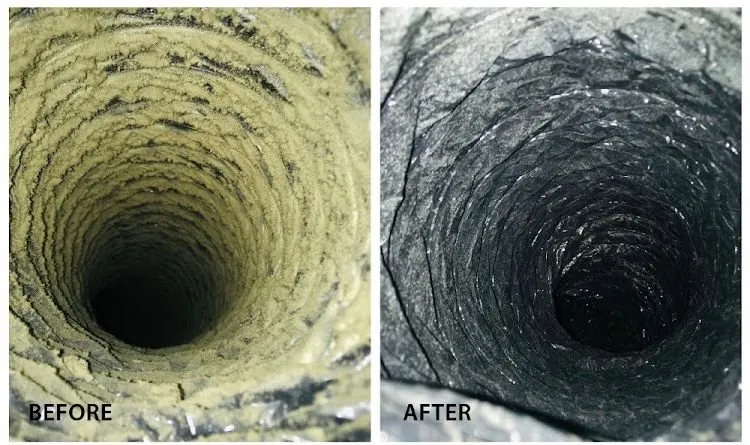
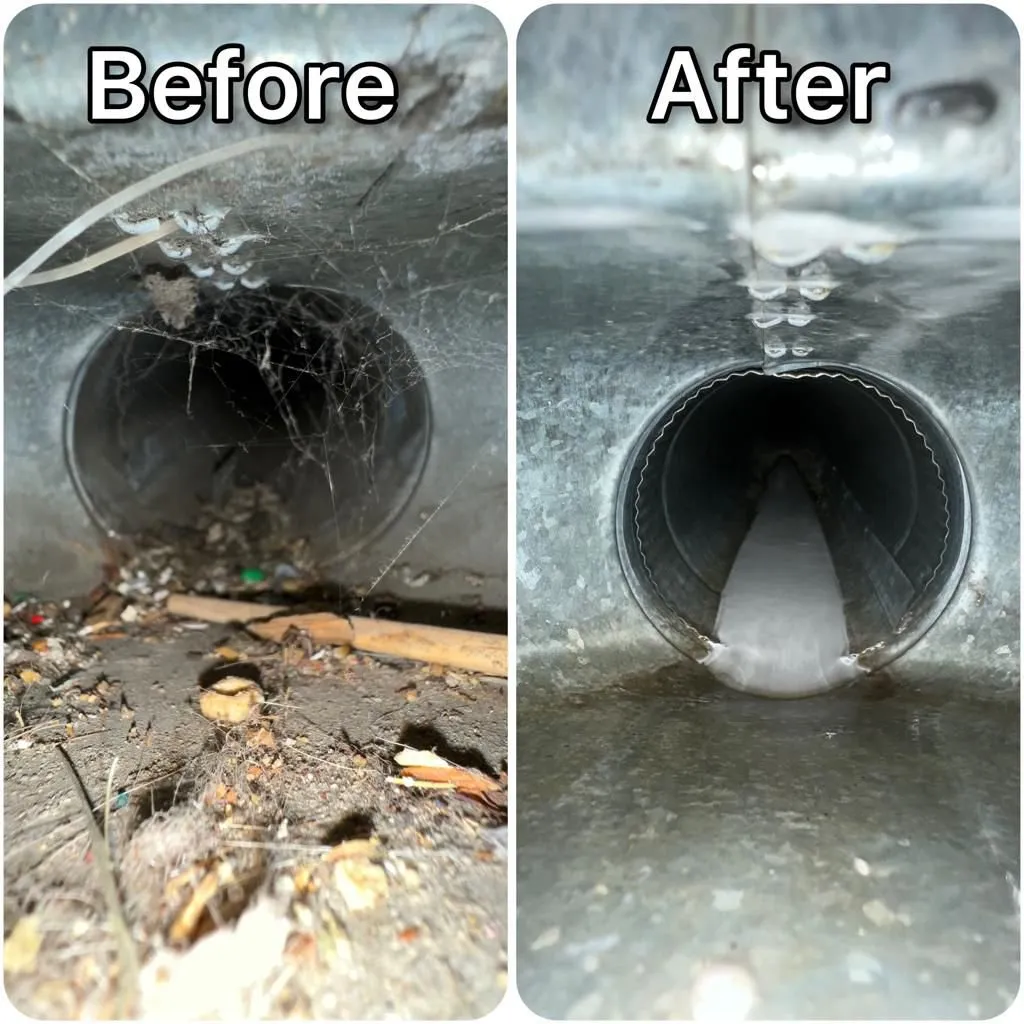
In those cases, a professional source-removal duct cleaning can help remove settled ash and dust from the supply and return runs. We are not fire restoration specialists, and if your home had fire or heavy smoke damage, start with your insurance company and a qualified restoration contractor.
Step four: check the outside
The dryer vent hood and other exterior openings collect ash and debris during smoke and windy fire weather. After the event:
- Check the dryer vent flap opens freely and is not packed with ash, leaves or lint.
- Rinse dust and ash off outdoor HVAC equipment if you have a heat pump or air conditioner, following the manufacturer's instructions, or ask your HVAC contractor.
- Clear debris from window wells and the area around the foundation.
How Better Air Duct Cleaning Thornton can help
Better Air Duct Cleaning Thornton cleans air ducts and dryer vents for homes in Thornton, CO and the surrounding area. Basic air duct cleaning is $199 for up to 10 vents and $29 for each additional vent. If only a few vents show ash or smell smoky, deep duct cleaning at $59.99 per vent targets those runs. Dryer vent cleaning is $99 for up to 10 feet.
We do not offer fogging, deodorizing or sanitizing treatments, and we will not tell you a cleaning will fix a health concern. What we can do is remove built-up dust and debris from your ducts when there is a clear reason to. Request an estimate if your post-smoke check turns up more than a light film.
A post-smoke checklist:
- Replace the HVAC filter and any portable air cleaner filters.
- Wipe hard surfaces with damp cloths and vacuum with a HEPA vacuum.
- Wash register covers and vacuum returns.
- Look inside a few ducts for ash or dark dust.
- Check the dryer vent hood and outdoor equipment.
- Call a professional if ash came indoors or the smell does not fade.